

How Physical Therapy Can Improve Poor Posture and Reduce Pain
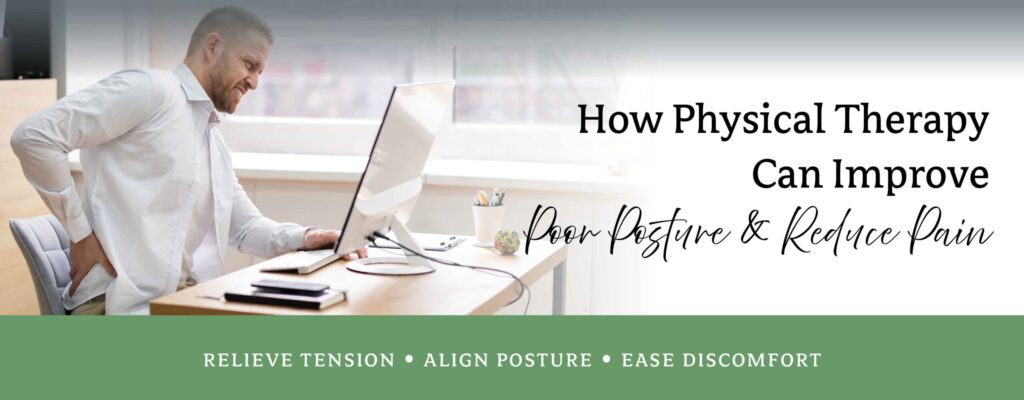

Slouching at your desk, hunching over your phone, or carrying a bag on one shoulder are everyday habits that strain your neck, shoulders, and lower back. Over time, this can lead to chronic pain and restricted movement. Fortunately, physical therapy for posture correction helps you recognize harmful patterns, reduce tension, and build healthier habits that support better movement and less pain.
At Flowstate Physical Therapy, our physical therapists use research-backed techniques to restore alignment and improve how your body moves throughout the day.
Below are practical tips based on physical therapy strategies that can help you feel better starting today.
7 Expert Tips from Physical Therapy for Posture Correction
Each of the following strategies reflects core principles used in physical therapy for posture correction. These tips focus on movement, strength, and awareness to improve alignment and reduce discomfort.
1. Reset Your Posture Every 30–60 Minutes
Staying in one position too long causes muscles to fatigue and joints to stiffen. Over time, this leads to poor posture and aches.
Try This
- Use breaks between work tasks or calls to stand, stretch, or walk.
- Realign your body by rolling your shoulders back and lifting your chest.
- Keep your ears aligned with your shoulders to reduce neck strain.
Frequent resets keep your muscles active and help prevent tightness from setting in.
2. Strengthen Your Postural Support System
Weak back, core, and shoulder muscles often lead to slouching. Strengthening these areas gives your spine the support it needs throughout the day.
Try This
- Ask your physical therapist for specific exercises.
- Start with movements that engage your shoulder blades and lower back.
- Gradually increase intensity under professional guidance.
A stronger base makes it easier to stay upright without added tension.
3. Stretch Tight Muscles That Limit Movement
Tight chest or hip muscles can pull your body forward and make it harder to stand tall. While stretching doesn’t prevent poor posture, it can help reduce discomfort and restore mobility.
Try This
- Open your chest using a doorway stretch.
- Loosen your hips with a kneeling lunge.
- Use a foam roller or ball to release tension in tight areas.
Your therapist will guide you to the safest and most effective stretches for your body.
4. Adjust Your Workstation Setup
Desk height, screen position, and seat support all affect posture. Poor setups can make even good habits hard to maintain.
Try This
- Raise your monitor to eye level.
- Adjust your chair so your hips and knees are level.
- Use a small cushion to support your lower back.
- Keep your feet flat, or use a footrest if needed.
Simple changes can make long hours at a desk more comfortable and less damaging.
5. Breathe from Your Diaphragm
Shallow breathing adds strain to your neck and shoulders. Deep breathing from your belly helps reduce tension and promotes relaxation.
Try This
- Sit or lie down with one hand on your chest and one on your belly.
- Inhale through your nose, letting your belly rise while your chest stays still.
- Exhale slowly and repeat for a few minutes.
This simple technique supports a calm, relaxed posture throughout your day.
6. Use Taping or Tools for Extra Awareness
Some people benefit from reminders that cue them to adjust their posture. Feedback tools can help reinforce alignment as you develop stronger habits.
Try This
- Ask your physical therapist about kinesiology taping to guide shoulder position.
- Use wearable devices that vibrate gently when you slouch.
- Record yourself during the exercise to review your form.
These supports are short-term tools designed to build long-term awareness.
7. Follow a Personalized Plan from a Physical Therapist
Everyone’s posture issues are different. A personalized plan ensures you’re targeting the right muscles, habits, and goals.
Try This
- Schedule an evaluation at Flowstate Physical Therapy.
- Get a custom home program based on your body and lifestyle.
- Adjust your plan as your strength and awareness improve.
This tailored approach is the most effective way to use physical therapy for posture correction.
Better Posture Starts with Expert Help
Improving posture means retraining your body to move with balance and control, not just “sitting up straight.” With expert guidance, you can reduce pain, prevent long-term problems, and feel stronger each day.
At Flowstate Physical Therapy, we specialize in physical therapy for posture correction that fits your needs and your lifestyle. Contact us today to schedule your evaluation and take the first step toward long-term comfort and better alignment.